File System Analysis in Digital Forensics (NTFS, FAT, EXT)
In digital forensic investigations, understanding how data is stored is just as important as understanding the data itself. Every digital device—whether a computer, mobile phone, USB drive, or server—uses a file system to organize, store, and manage information. File system analysis is therefore a core component of digital forensics, enabling investigators to reconstruct events, recover deleted files, and establish timelines. Among the most commonly examined file systems are NTFS, FAT, and EXT, each with distinct forensic characteristics.
What Is File System Analysis in Digital Forensics?
File system analysis refers to the examination of the logical structure of storage media to understand how files are created, modified, accessed, and deleted. Unlike basic file viewing, forensic analysis focuses on metadata, system records, allocation structures, and unallocated space. This allows investigators to uncover evidence that may not be visible to normal users.
Through file system analysis, forensic experts can answer critical questions such as:
-
When was a file created or deleted?
-
Was a file altered or hidden?
-
What user activity occurred on the system?
-
Can deleted or partially overwritten data be recovered?
NTFS (New Technology File System)
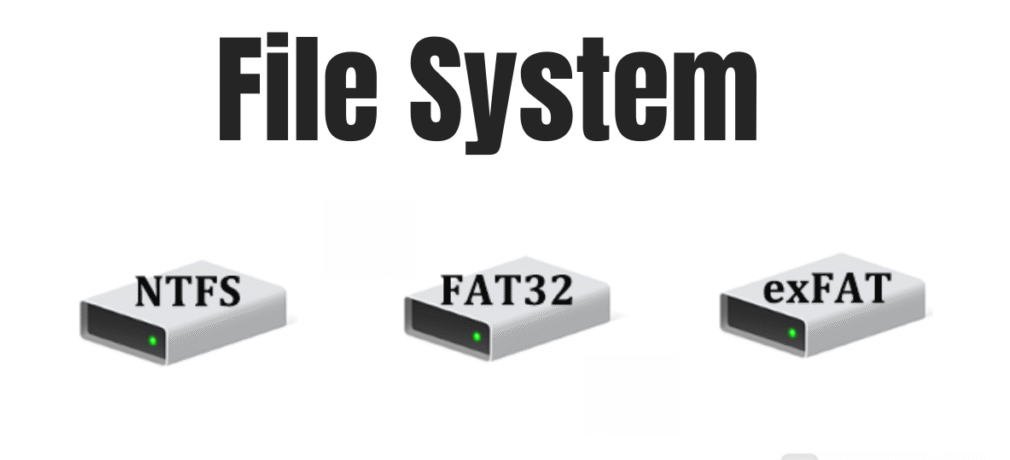
NTFS is the default file system used by modern Windows operating systems and is considered one of the most forensically valuable file systems due to its rich metadata.
Forensic Features of NTFS
The most important structure in NTFS is the Master File Table (MFT). Every file and folder on the system has at least one MFT entry containing detailed metadata such as file size, timestamps, and location on disk. Even deleted files may leave behind MFT records, making NTFS highly useful in investigations.
NTFS also records multiple timestamps—commonly referred to as MAC times (Modified, Accessed, Created, and Entry Modified). These timestamps help investigators build accurate timelines of user activity.
Another key feature is journaling, where NTFS logs file system transactions. This can help forensic experts identify file operations even after system crashes or intentional deletion. NTFS also supports Alternate Data Streams (ADS), which attackers may use to hide data within files, making ADS analysis crucial in malware and insider threat cases.
FAT (File Allocation Table)
FAT is one of the oldest file systems and is still widely used in USB drives, memory cards, and portable devices. Common variants include FAT16, FAT32, and exFAT.
Forensic Features of FAT
FAT uses a simple table to track file locations on disk. When a file is deleted, its directory entry is marked as deleted, but the data itself remains until overwritten. This makes FAT particularly useful for deleted file recovery, especially in removable media cases.
However, FAT stores limited metadata compared to NTFS. Timestamp information is minimal, and there is no journaling mechanism. As a result, FAT-based investigations rely more on file content recovery than detailed timeline reconstruction.
Forensic Significance
FAT file systems are commonly encountered in cases involving data transfer, intellectual property theft, and unauthorized data copying through removable devices. Despite its simplicity, FAT can provide valuable evidence when examined properly.
EXT (Extended File System)
EXT is primarily used in Linux-based systems, servers, and embedded devices. Common versions include EXT2, EXT3, and EXT4, with EXT3 and EXT4 supporting journaling.
Forensic Features of EXT
EXT file systems rely on inodes, which store metadata such as file permissions, ownership, timestamps, and pointers to data blocks. Journaling in EXT3 and EXT4 helps maintain file system integrity and can assist forensic analysis.
EXT systems also organize data into block groups, improving performance but sometimes complicating forensic recovery. Unlike NTFS, metadata in EXT systems may be overwritten relatively quickly, making timely evidence acquisition critical.
Forensic Significance
EXT file systems are often examined in:
-
Server breach investigations
-
Cloud infrastructure analysis
-
Linux-based cybercrime cases
Understanding EXT structures is essential for investigators dealing with advanced or enterprise-level systems.
Comparative Importance of NTFS, FAT, and EXT
Each file system presents unique forensic strengths and limitations. NTFS offers rich metadata and journaling, making it ideal for timeline reconstruction. FAT provides straightforward deleted file recovery but limited historical data. EXT supports journaling and strong permission structures but may overwrite metadata rapidly.
A skilled forensic examiner must adapt techniques based on the file system encountered rather than relying on a single investigative approach.
Role of File System Analysis in Digital Investigations
File system analysis helps forensic experts:
-
Reconstruct user actions
-
Identify unauthorized access or data manipulation
-
Recover deleted or hidden files
-
Correlate file activity with system logs
-
Support findings with scientifically valid evidence
When combined with hash verification, log analysis, and reporting, file system analysis strengthens the reliability of forensic conclusions.
Challenges in File System Analysis
Despite its importance, file system analysis faces challenges such as encryption, solid-state drive behavior, anti-forensic techniques, and rapid data overwriting. These issues highlight the importance of proper acquisition methods, write blockers, and forensic best practices.
Conclusion
File system analysis forms the backbone of digital forensic investigations. Whether examining NTFS on a Windows system, FAT on removable media, or EXT on Linux servers, understanding file system structures allows investigators to uncover hidden evidence and reconstruct digital events accurately.
In digital forensics, data may be deleted—but through expert file system analysis, its traces often remain.


Post comments (0)