phone_android+91 78385 89466 +91 92894 59589

Crime Scene Barricade Tape
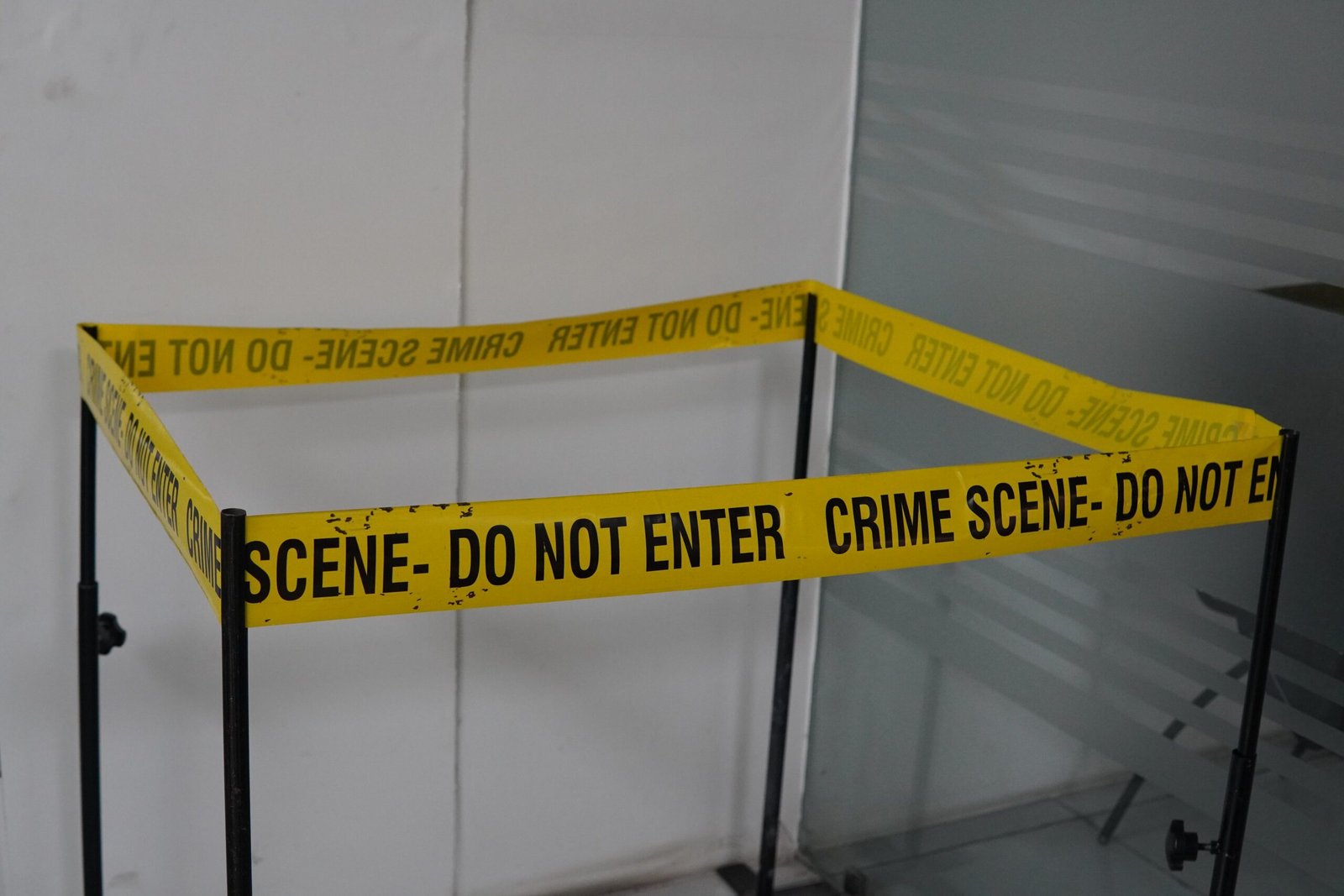
Crime Scene Barricade Tape: Purpose, Types, and Its Critical Role in Investigations
In the world of criminal investigations, maintaining the integrity of a crime scene is one of the most crucial responsibilities of law enforcement and forensic teams. One of the simplest yet most effective tools used to protect a scene is the crime scene barricade tape. Often seen as bold yellow or red tape stretched across an area, this tool plays a vital role in ensuring that evidence remains untouched and investigations proceed smoothly.
What Is Crime Scene Barricade Tape?
Crime scene barricade tape is a highly visible, durable tape used by police and investigative agencies to cordon off areas where a crime or incident has occurred. It serves as a physical and psychological barrier, warning the public and unauthorized individuals not to enter a restricted area.
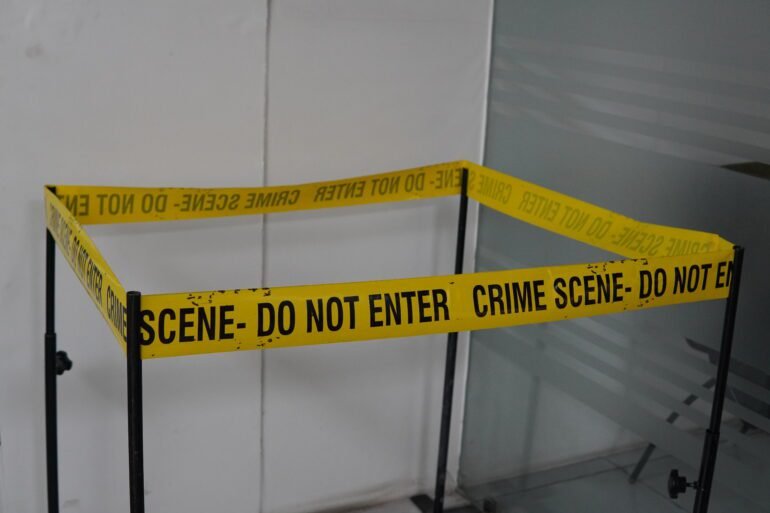
Typically printed with phrases like:
-
“CRIME SCENE – DO NOT CROSS”
-
“POLICE LINE – DO NOT ENTER”
-
“CAUTION”
-
“RESTRICTED AREA”
This tape ensures the area is secured until the investigation is complete.
Why Is Crime Scene Tape Important?
Crime scene tape is far more than just a warning strip. Its importance includes:
1. Protecting Evidence
Unauthorized entry can destroy or contaminate evidence such as fingerprints, DNA, footprints, or trace materials. The tape prevents accidental or deliberate tampering.
2. Controlling Access
Only authorized personnel—police, forensic experts, and investigators—can enter the secured zone.
3. Protecting Public Safety
Crime scenes may contain hazards like broken glass, chemicals, explosives, or biohazards. Barricade tape keeps the public safe from potential harm.
4. Maintaining Order
In high-traffic or emotionally intense situations, the tape helps control crowds and keep bystanders at a safe distance.
5. Legal and Documentation Purposes
A clearly marked crime scene ensures proper chain of custody and strengthens the credibility of collected evidence in court.
Types of Crime Scene Barricade Tape
Different situations may require different types of barricade tape. These include:
1. Yellow Crime Scene Tape
The most common type. Typically used for general crime scenes and caution areas.
Often printed with “CRIME SCENE – DO NOT CROSS” or “CAUTION.”
2. Red Crime Scene Tape
Used for high-risk or biohazard scenes. It indicates a more severe level of hazard or restricted access.
Phrases may include “DANGER” or “BIOHAZARD – KEEP OUT.”
3. Custom Printed Tape
Law enforcement agencies may use tapes with specific wording, department names, or unique identifiers.
4. Non-Adhesive Barricade Tape
Does not stick on surfaces; instead, it is tied around poles, trees, vehicles, or barricade stands.
5. Adhesive-backed Tape
Less common but useful for indoor scenes where tying or securing is difficult.
Material and Design Features
Crime scene tape is designed to withstand outdoor conditions and heavy public environments. Key features include:
-
High visibility colors (yellow/red)
-
Bold, large lettering for easy readability
-
Durable polyethylene material
-
Tear-resistant design
-
Weatherproof and UV-resistant
These qualities help the tape remain intact even in windy, rainy, or crowded environments.
How Crime Scene Tape Is Used
Securing a crime scene is a systematic process. Crime scene tape is typically used in the following steps:
1. Establishing the Perimeter
The first responding officer identifies the outer boundaries and stretches tape around the area.
2. Creating Multiple Zones
Serious cases may have inner and outer perimeters:
-
Inner perimeter: Only investigators and forensic experts allowed
-
Outer perimeter: General officers and personnel with limited access
3. Documenting Entry and Exit
Anyone crossing the tape must be recorded to maintain chain of custody.
4. Maintaining the Barrier
Officers ensure that the tape remains intact and that unauthorized individuals do not cross it.
5. Removing the Tape
Once the investigation is complete, the tape is removed, and the area is opened to the public.
Where Crime Scene Tape Is Commonly Used
-
Homicide scenes
-
Burglary or robbery investigations
-
Traffic accidents
-
Fire investigations
-
Hazardous material spills
-
Explosive or bomb threat scenes
-
Search and rescue operations
-
Emergency response situations
Crime Scene Tape and Public Perception
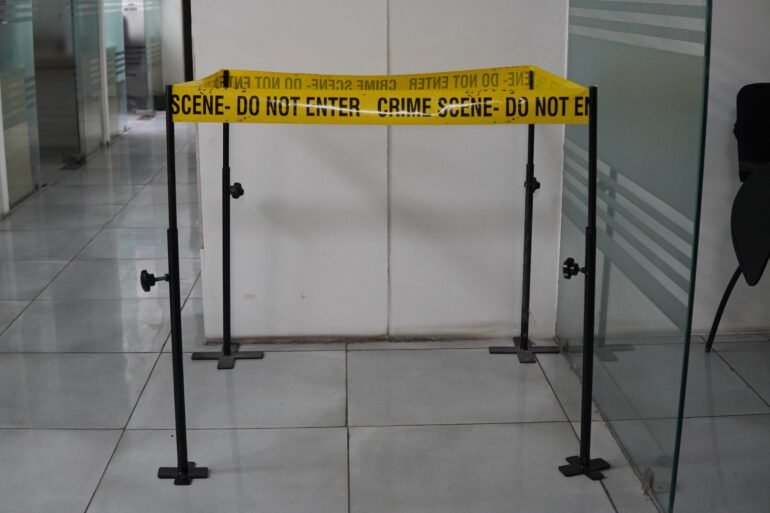
Crime scene tape has become a universal symbol of danger, security, and investigation. Its presence immediately alerts the public that something serious has occurred and encourages them to stay away.
The psychological impact is strong—people naturally respect the barrier even without physical enforcement.
Final Thoughts
Though simple in appearance, crime scene barricade tape is a powerful tool in forensic and police work. It protects evidence, preserves the truth, and ensures that investigations proceed safely and efficiently. Its role in crime scene management is indispensable and continues to uphold the integrity of forensic science worldwide.